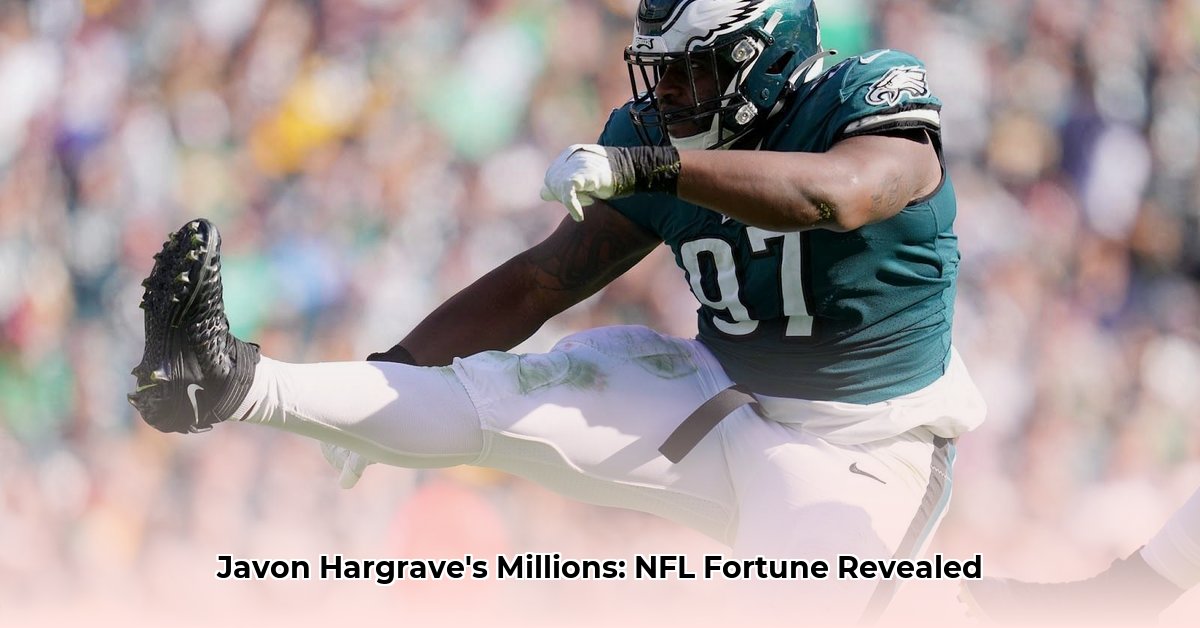
Javon Hargrave's Financial Journey: From Undrafted to Multi-Millionaire
Javon Hargrave's NFL career is a compelling narrative of talent, hard work, and astute financial management. His journey from an undrafted free agent to a highly sought-after defensive tackle has resulted in a substantial net worth, built upon a series of strategically negotiated contracts. This analysis delves into the intricacies of his financial success, exploring the key elements of his contracts and their implications for all stakeholders. Understanding Hargrave's financial trajectory offers valuable insights into the complex world of NFL contracts and the business of professional football.
Charting Hargrave's Ascent: A Contractual Timeline
Hargrave's financial success is directly tied to his on-field performance and his ability to leverage his market value. While precise figures for his net worth remain elusive due to the private nature of some contract details and varying public reporting, we can chart his progress through his known contracts. The transition from earlier deals to his recent, significant contract with the San Francisco 49ers showcases his increasing value to NFL teams. Reports indicate a four-year, $84 million contract with the 49ers, demonstrating his financial accomplishments, but the precise details of guaranteed money and incentives remain partially undisclosed. This lack of complete public information highlights the inherent opacity surrounding many NFL player contracts.
Decoding NFL Contracts: More Than Just Salary
Javon Hargrave's contracts are complex financial instruments, encompassing far more than just annual salaries. Key components include:
- Guaranteed Money: This portion of the contract is secured, regardless of performance. It provides financial security to the player but increases risk for the team.
- Dead Cap: This represents the salary cap penalty a team incurs if they release a player before the contract expires. The timing of the release (pre- or post-June 1st) significantly affects the dead cap calculation, impacting long-term team financial planning.
- Roster Bonuses: These payments are typically made at the start of the season or other designated times regardless of the player’s performance.
- Performance-Based Incentives: These bonuses are contingent upon reaching specific on-field performance goals, adding a performance-based component to the contract and potentially increasing the player's earnings.
These components create a multifaceted financial arrangement, reflecting a calculated risk-reward balance for both the player and the team.
Analyzing the Risks and Rewards: A Financial Risk Assessment
Hargrave's contracts, while lucrative, involve inherent risks. The following matrix summarizes potential risks and their mitigating strategies:
| Risk Category | Probability | Impact (to the 49ers) | Mitigation Strategies |
|---|---|---|---|
| Injury | Moderate | High | Extensive insurance; strong backup players; performance incentives |
| Performance Decline | Moderate | High | Performance-based contracts; carefully structured deals |
| Salary Cap Constraints | High | Moderate | Strategic salary cap management; contract renegotiations |
| Market Fluctuations | Low | Moderate | Long-term deals (when applicable) |
This assessment underscores the complexity of NFL contract negotiations, emphasizing the importance of carefully balancing potential benefits with financial risks.
Stakeholders and Their Interests: A Multifaceted Financial Landscape
Several key stakeholders benefit from Hargrave's success:
- Javon Hargrave: His earnings directly impact his net worth, ensuring his financial security and providing opportunities for future investments and endorsements.
- San Francisco 49ers: The team must manage his contract within the salary cap constraints, balancing his value against potential financial burdens.
- Other NFL Teams: Hargrave's contract serves as a benchmark for future player acquisitions, influencing contract negotiations and team financial strategies.
- NFL Agents: They use Hargrave's contract as a case study, informing their negotiation strategies and enhancing their ability to secure lucrative deals for their clients.
The success of Hargrave’s contract benefits all stakeholders, but also highlights the challenges of balancing player value against long-term financial planning for the team.
Conclusion: The Javon Hargrave Story – A Financial Case Study
Javon Hargrave's financial success is more than just a high net worth; it's a testament to his on-field performance, effective contract negotiations, and smart financial management. His story offers a valuable case study in the intricate financial dynamics of the NFL, highlighting the complexities of contract structures and risk assessment in professional sports. Further research into the undisclosed aspects of his agreements would provide an even deeper insight into his financial trajectory and the strategic considerations within professional sports contracts.
Three Pivotal Points:
- Hargrave's net worth reflects his increasing value as a top-tier NFL player, showcasing the direct link between performance and financial success.
- His contracts are intricate financial instruments, encompassing guaranteed money, dead cap implications, and performance-based incentives, creating a calculated risk-reward balance.
- Multiple stakeholders—Hargrave, the 49ers, other NFL teams, and agents—have vested interests in the strategic management and outcomes of Hargrave's contracts.